Thursday, June 29, 2017
The Rest Prescription
You might be thinking “What does rest have to do with weight loss?”. We’re so glad you asked, because rest has everything to do with weight loss. Chronic unrest- lack of sleep coupled with a high-stress lifestyle- can nullify the best diet and supplement plan. We’ve seen this happen so often in practice. We counsel a patient who seems to be doing everything right. According to her food records, she’s eating exactly as prescribed, yet the weight isn’t budging. Then we dig a little deeper and learn that she’s up repeatedly at night to soothe her kids back to sleep, on the go constantly during the day, and draining herself further with intense exercise at the gym.
This type of unrest keeps the fight-or-flight response in a permanent “on” position. Our bodies are designed to handle periodic influxes of stress hormones. Triggering your fight or flight response just once a day probably won’t interfere with weight loss, because your body easily clears these hormones. Triggering it every 5 minutes? That’s a recipe for weight gain.
Here’s why. Every time you trigger your stress response, your adrenal glands pump out the stress hormone cortisol. If cortisol levels remain high- as they do when you don’t get enough sleep, keep yourself awake during the day by consuming lots of caffeine, or generally feel edgy and jittery- your entire metabolism becomes imbalanced, suppressing thyroid function, raising blood sugar and blood pressure, weakening muscles and bones, and triggering the body to store more abdominal fat.
Thursday, June 22, 2017
Sleep deprivation and our waistlines
Sleep deprivation has a direct impact on our waistlines. One in three women who experience sleep problems almost every night are obese, compared with one in five women who have trouble sleeping just a few nights a month. How many of us have said “I’ll be able to stay awake a little bit longer if I just eat these pretzels (or another snack food)”?
Sleep deprivation alters levels of many hormones, including serotonin and leptin. This makes you feel hungrier during the day, strengthening cravings for starchy carbohydrates and sweets.
This effect can begin even during childhood: a study completed in Japan determined that 6 and 7 year olds who slept less were more likely to become obese than their peers who went to bed earlier and slept longer. Children sho slept fewer than 8 hours were nearly three times as likely to become obese as children who got 10 or more hours.
Sleep deprivation alters levels of many hormones, including serotonin and leptin. This makes you feel hungrier during the day, strengthening cravings for starchy carbohydrates and sweets.
This effect can begin even during childhood: a study completed in Japan determined that 6 and 7 year olds who slept less were more likely to become obese than their peers who went to bed earlier and slept longer. Children sho slept fewer than 8 hours were nearly three times as likely to become obese as children who got 10 or more hours.
Thursday, June 15, 2017
Emotional Eating
Do you eat when you are under stress? How about when you feel sad or angry? Although emotional eating is very common- among men and women- it’s also destructive. In fact, it’s the main reason David Schipper, one of our clients, regained his weight. After losing 33 pounds and keeping it off for 6 months, he took on more responsibility at work. The longer hours and stressful dead-lines had him derange of bagels and cookies.
To overcome emotional eating- whether you eat out of stress, sadness, anxiety, or even happiness- you must break with the association that links your emotional state with eating.
First, get honest with yourself. There’s probably a little voice inside your head that’s whispering phrases such as “But I’m really hungry”, “But I really need it” or “But I can’t stop myself”. Oh, hush, True hunger comes on slowly. You can satisfy true hunger with any food, including broccoli. Emotional hunger surfaces quickly and centers on one or two specific foods. With emotional hunger, broccoli or meatballs won’t do. You must have the bread or bagel or cake or cookie or whatever it is that calls to you.
As soon as you realize that you are craving a specific food, you need to find a way to soothe yourself with something other than food. There are plenty of nonfood-related activities you could employ, such as going for a walk, listening to music or calling a loved one. Think about which emotions drive you to eat and think about other ways you can deal with these emotions.
To overcome emotional eating- whether you eat out of stress, sadness, anxiety, or even happiness- you must break with the association that links your emotional state with eating.
First, get honest with yourself. There’s probably a little voice inside your head that’s whispering phrases such as “But I’m really hungry”, “But I really need it” or “But I can’t stop myself”. Oh, hush, True hunger comes on slowly. You can satisfy true hunger with any food, including broccoli. Emotional hunger surfaces quickly and centers on one or two specific foods. With emotional hunger, broccoli or meatballs won’t do. You must have the bread or bagel or cake or cookie or whatever it is that calls to you.
As soon as you realize that you are craving a specific food, you need to find a way to soothe yourself with something other than food. There are plenty of nonfood-related activities you could employ, such as going for a walk, listening to music or calling a loved one. Think about which emotions drive you to eat and think about other ways you can deal with these emotions.
Friday, June 9, 2017
Trans Fats 101
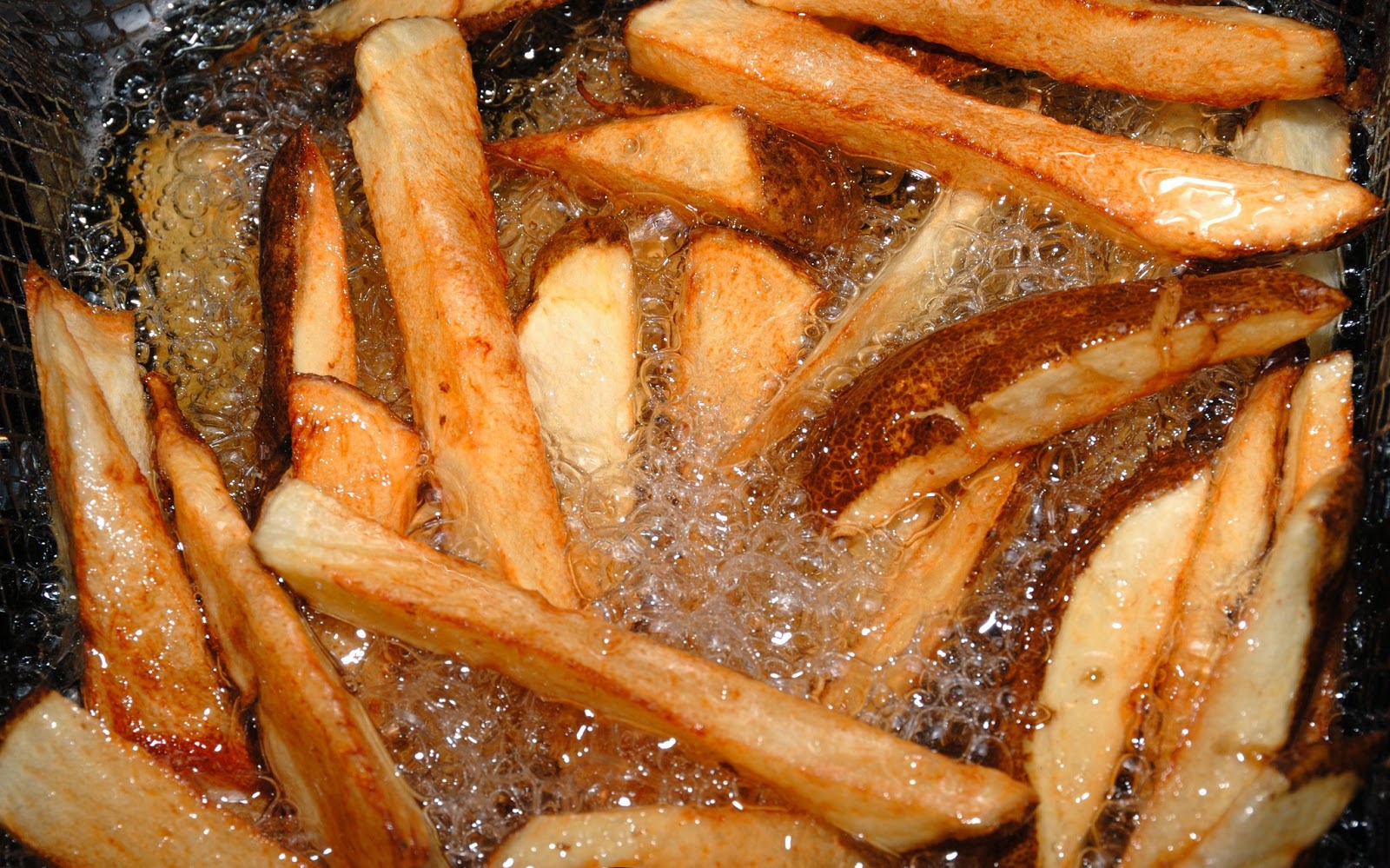
These come mostly from partially hydrogenated vegetable oils in restaurant fryers, margarines, packaged snacks, and baked goods. These fats raise the risk of heart disease by upping the bad LDL cholesterol and triglycerides and lowering the good HDL cholesterol. Although they occur in slams amounts in meat, they primarily come from packaged baked products (cookies, cakes, breads, crackers) and fast food. Eat as few trans fats as possible. They are listed on labels, but be careful of packaging. A food can claim that it contains zero trans fats even if it has 0.5 gram or less. If you eat more than a single portion, you may be getting more trans fats than you bargained for.
Wednesday, May 31, 2017
Pucker up for lemon juice 🍋
Among numerous other health benefits, the acidic nature of lemon juice blunts blood sugar spikes and helps control the release of energy after a meal. Also:
Lemon juice is an excellent source of vitamin C- a 1/4 cup of lemon juice, just 15 calories’ worth, packs almost 50 percent of your daily value.
One study in the journal “Public Health Nutrition” found that low vitamin C increased the likelihood of developing abdominal fat by 131 percent.
Another study of more than 20,000 people showed that people who ate the most vitamin-C rich foods were three times less likely to develop arthritis than those who ate the least.
Vitamin C helps prevent cholesterol from sticking to cell walls, and lemon’s flavonoids attack free radicals and protect against cancer.
Lemon juice is an excellent source of vitamin C- a 1/4 cup of lemon juice, just 15 calories’ worth, packs almost 50 percent of your daily value.
One study in the journal “Public Health Nutrition” found that low vitamin C increased the likelihood of developing abdominal fat by 131 percent.
Another study of more than 20,000 people showed that people who ate the most vitamin-C rich foods were three times less likely to develop arthritis than those who ate the least.
Vitamin C helps prevent cholesterol from sticking to cell walls, and lemon’s flavonoids attack free radicals and protect against cancer.
Friday, May 26, 2017
Heart Disease & Fat - The American Paradox
Before the 1920s, heart disease was rare in the United States. By the mid 1950s, however, heart disease was the leading cause of death, as it still is today, for both men and women.
If fat is so bad for us, one would assume that Americans started eating more of it in the 1900s, in step with these rising rates of heart disease, not to mention rising rates of diabetes and obesity. That assumption, however, is incorrect.
Internationally renowned nutritionalist and biochemist Mary G. Enig, PhD, has studied the eating patterns of Americans dating back as far as the late 1800s. In her highly regarded book ‘Know Your Fats’ (Bethesda Press, 2000), she convincingly uses U.S. Department of Agriculture data to show that fat consumption and heart disease have no connection whatsoever. According to her review of government health records and food consumption statistics, Americans cut back on animal fat between 1910 and 1970. In the early 1900s, Americans were eating mostly saturated and monounsaturated fats in the form of butter. lard, coconut oil, and olive oil. By the 1970s, Americans were eating fewer animal fats and less butter and lard. Since the 1970s, Americans have cut back on saturated fat even more.
Has all of this fat cutting done any good for our hearts? No. Heart disease rates are going up, not down.
If fat is so bad for us, one would assume that Americans started eating more of it in the 1900s, in step with these rising rates of heart disease, not to mention rising rates of diabetes and obesity. That assumption, however, is incorrect.
Internationally renowned nutritionalist and biochemist Mary G. Enig, PhD, has studied the eating patterns of Americans dating back as far as the late 1800s. In her highly regarded book ‘Know Your Fats’ (Bethesda Press, 2000), she convincingly uses U.S. Department of Agriculture data to show that fat consumption and heart disease have no connection whatsoever. According to her review of government health records and food consumption statistics, Americans cut back on animal fat between 1910 and 1970. In the early 1900s, Americans were eating mostly saturated and monounsaturated fats in the form of butter. lard, coconut oil, and olive oil. By the 1970s, Americans were eating fewer animal fats and less butter and lard. Since the 1970s, Americans have cut back on saturated fat even more.
Has all of this fat cutting done any good for our hearts? No. Heart disease rates are going up, not down.
Thursday, May 18, 2017
When someone offers you food that you are trying not to eat
Saying no requires you to put aside your need to please others. Be assertive. Say something like, “I feel flattered that you thought to bring me this find. I am trying hard to lose weight, however, and this is not one I can eat. I feel horrible that I need to turn away your offer, but I hope you understand.” If this person is a true friend or supporter, he or she will sympathize. Friends and loved ones should want to help us grow into our better selves. If you feel guilty about turning down these requests to eat, realize that the friend or loved one is the person who should feel guilty. That person is the one who is blocking you from growing into a better you.
Subscribe to:
Posts (Atom)